History
Amberjack, mudhen water and a quiet avenue: a short history of Kāhala
What the place names mean, how farmland became one of Honolulu’s best-known residential streets, and the landmarks that still tell the story.

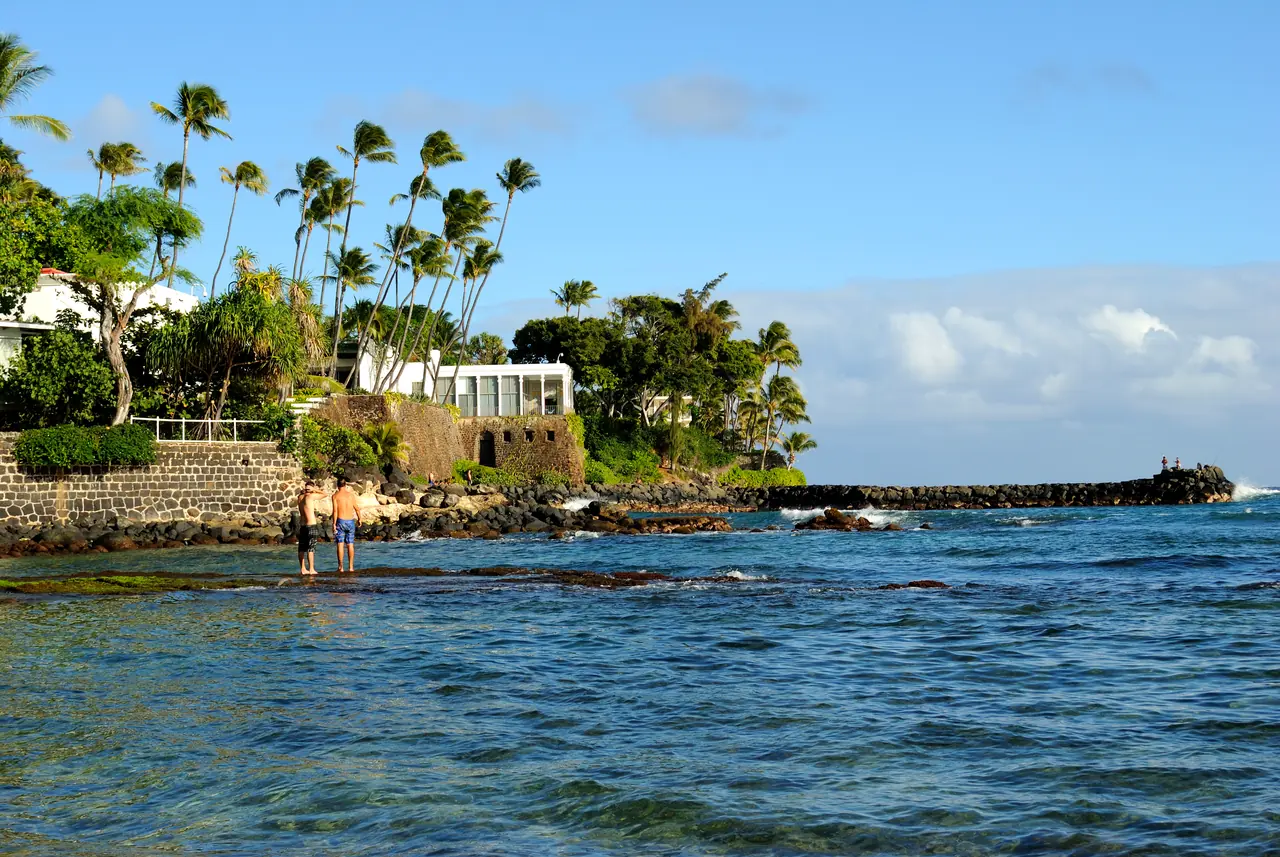
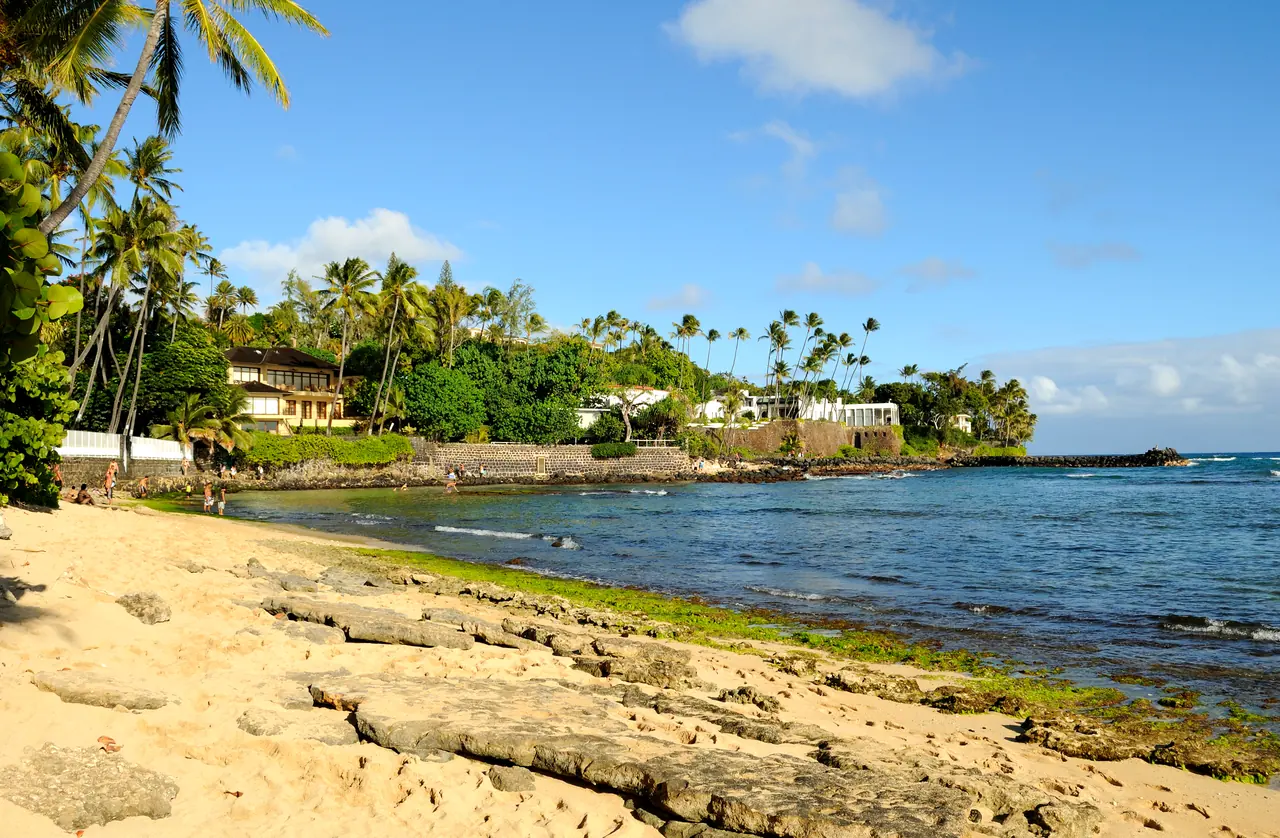
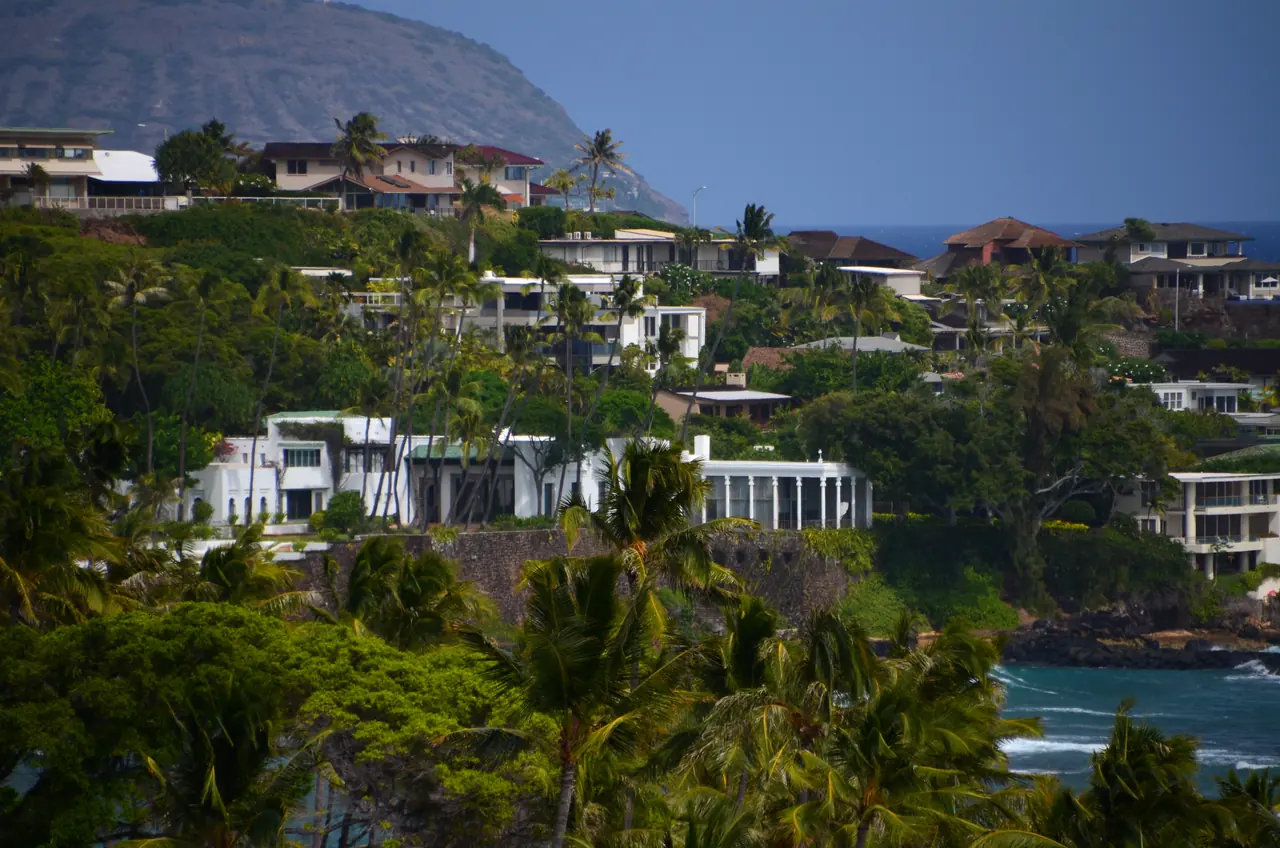
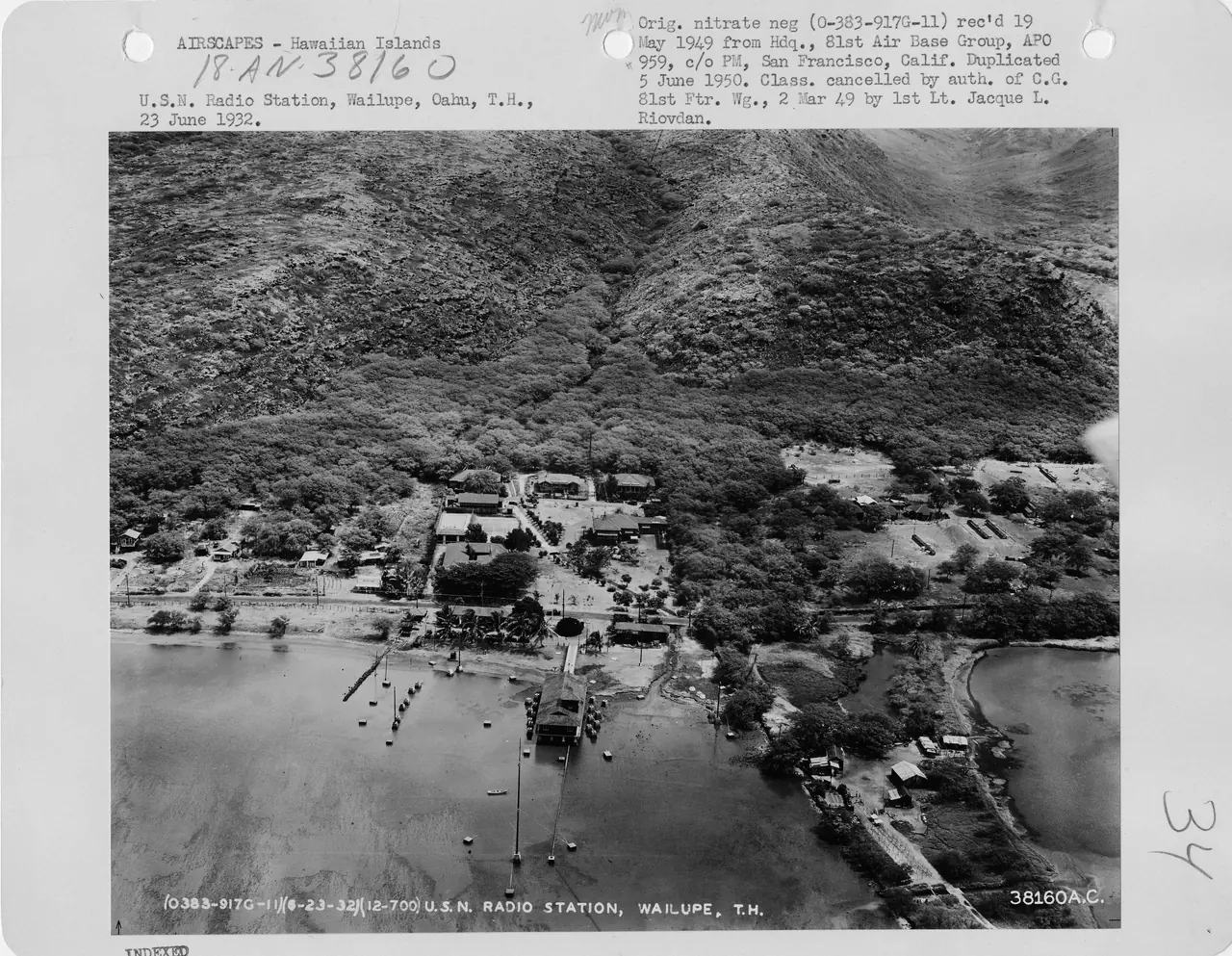
Stand at the end of Kāhala Avenue in the early morning and the neighborhood can feel timeless: wide lawns, tall trees, a reef-lined shore and the profile of Lēʻahi, Diamond Head, to the west. But most of what you see is barely a century old. The names are much older.
What the names mean
In Place Names of Hawaiʻi by Mary Kawena Pukui, Samuel H. Elbert and Esther T. Mookini, Kāhala is glossed literally as “amberjack fish,” the name of a section of Honolulu as well as its avenue and elementary school. The Pukui–Elbert Hawaiian Dictionary identifies kāhala as the amberjack or yellowtail, Seriola dumerilii, a long, deep-water fish.
The neighboring name, Waiʻalae, is usually translated as “mudhen water”: wai, fresh water, and ʻalae, the Hawaiian gallinule or mudhen, a native wetland bird. Together the names point to a coast where people fished offshore and found fresh water inland.
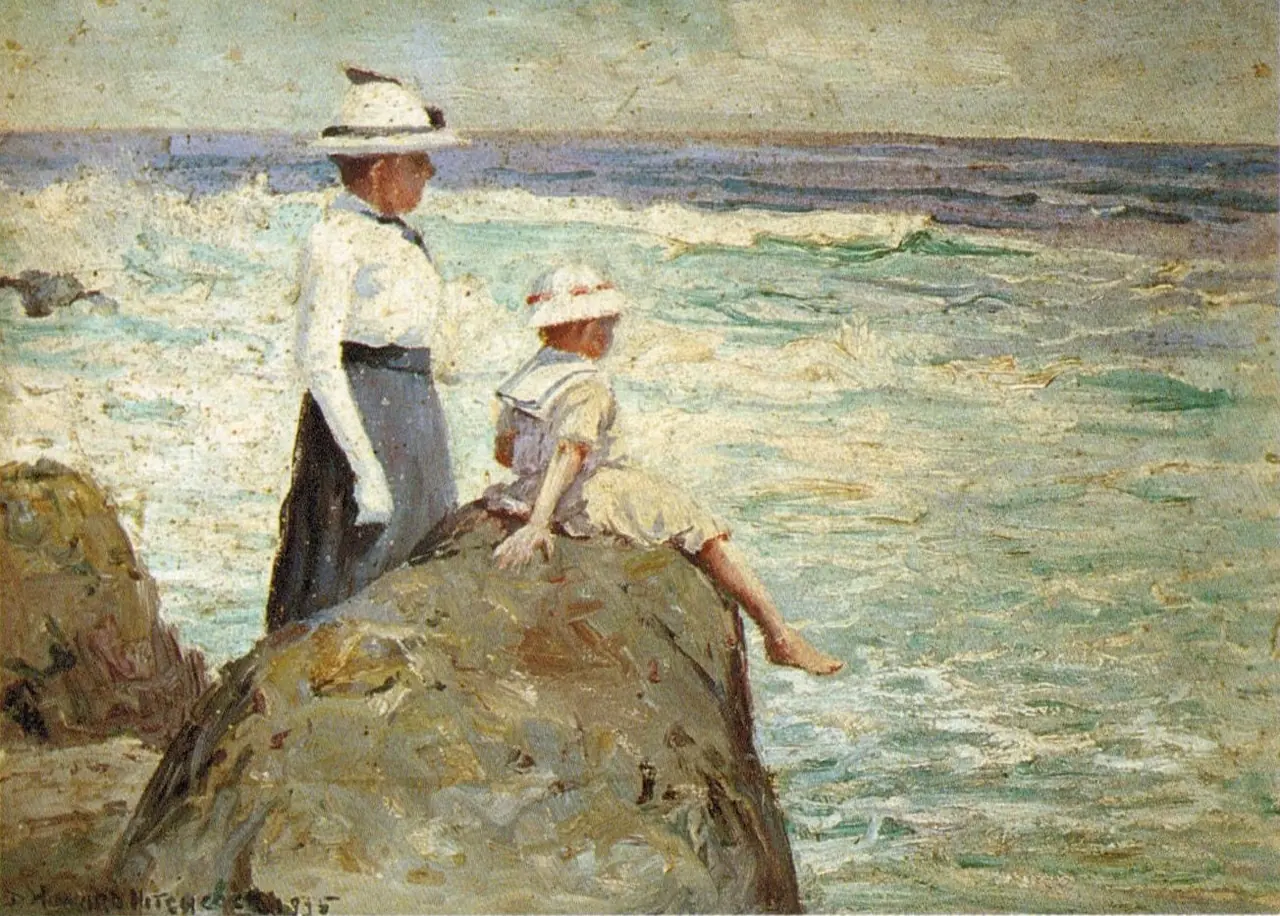
Painters on the shore
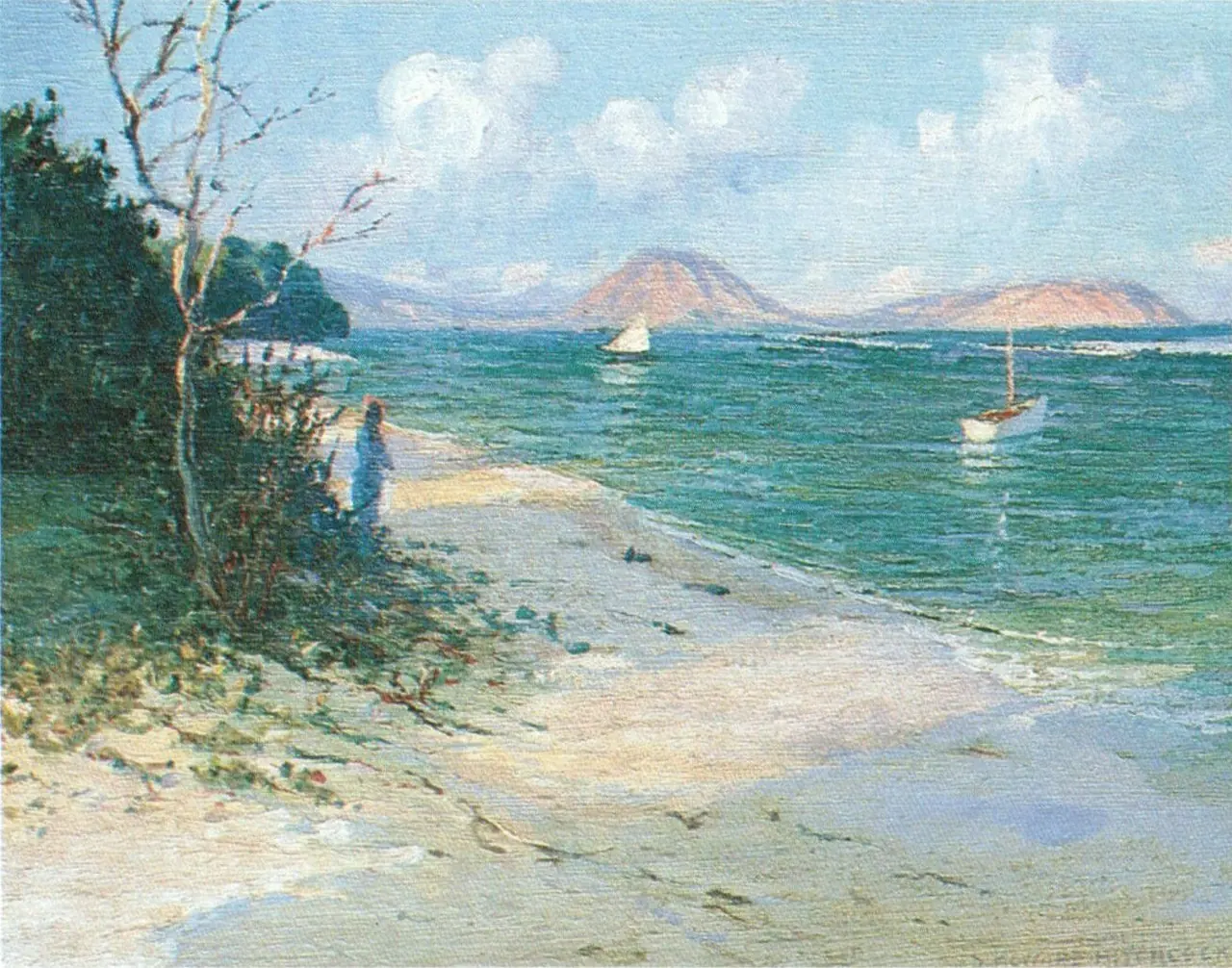
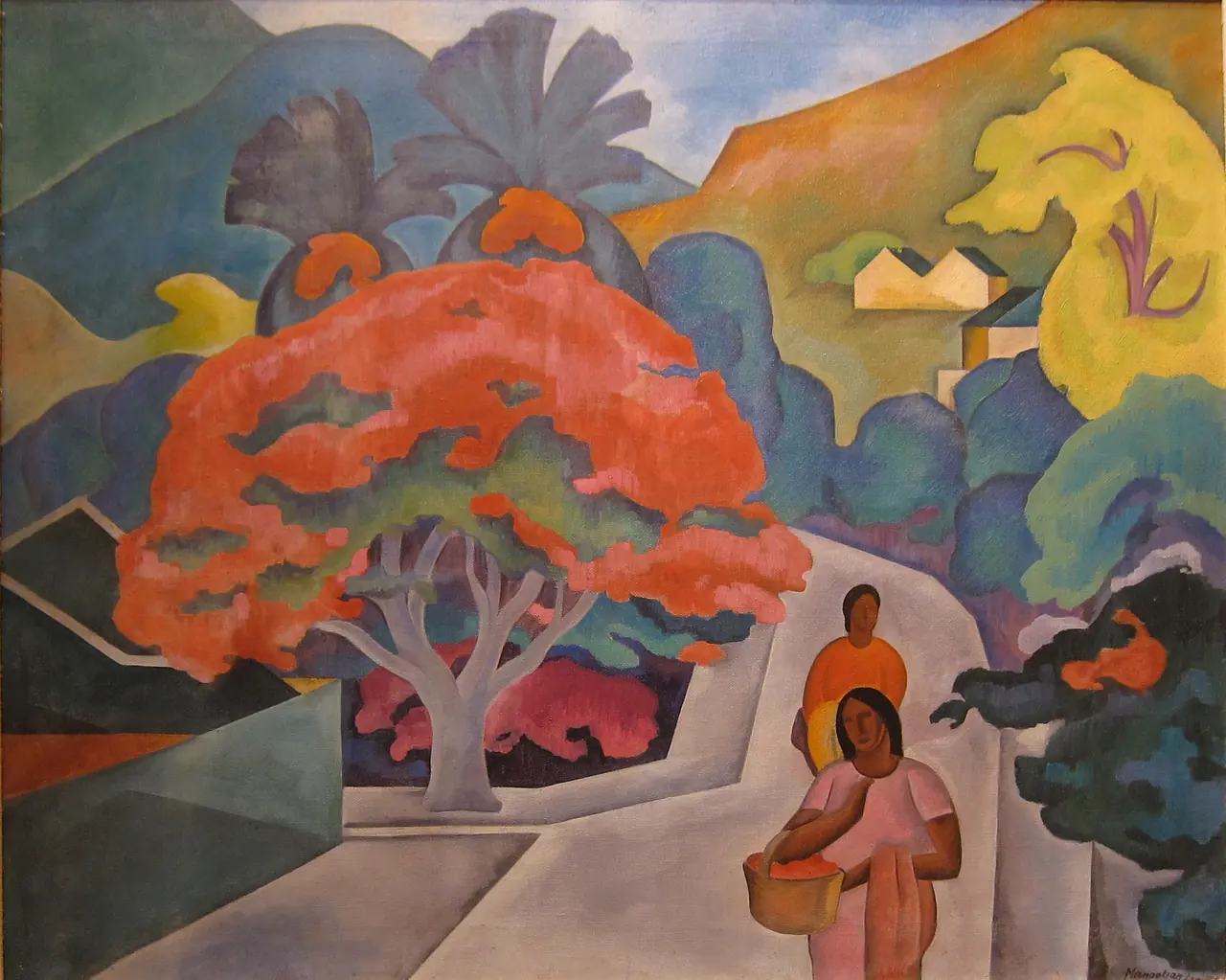
Before the subdivisions, Kāhala and Black Point drew artists. D. Howard Hitchcock (1861–1943), one of the best-known painters of the islands in his era, painted Kahala, Oahu in 1917, a light-filled view of sand, trees and sailboats on open water that sits at the top of this page. Two years earlier he painted his daughters Hester and Helen on the rocks at Black Point. In 1930 the young painter Arman Manookian made a vivid, flattened study of a coral tree by Black Point.
From pasture to avenue
For much of the 1800s the flat land between Diamond Head and Wailupe was open country, used for grazing and small farms. Residential Kāhala largely took shape in the twentieth century, much of it on land leased from the estate of Bernice Pauahi Bishop, today Kamehameha Schools.
That history of leasehold matters to residents to this day. Hawaiʻi’s Land Reform Act of 1967 created a way for homeowners to buy the land under their houses, and the U.S. Supreme Court upheld it in Hawaii Housing Authority v. Midkiff (1984). Many Kāhala lots converted to fee simple ownership in the years that followed, which is why buyers are still advised to confirm tenure for any address. Our sister publication covers that in its leasehold vs. fee simple guide.
Houses that made the register
Several homes along Kāhala Avenue are listed on the National Register of Historic Places, including the Charles A. Simpson House at 4354 Kāhala Avenue, the J. Alvin Shadinger House at 4584 and the Bartlett Cooper House at 4850. They are private residences; please enjoy them from the street.
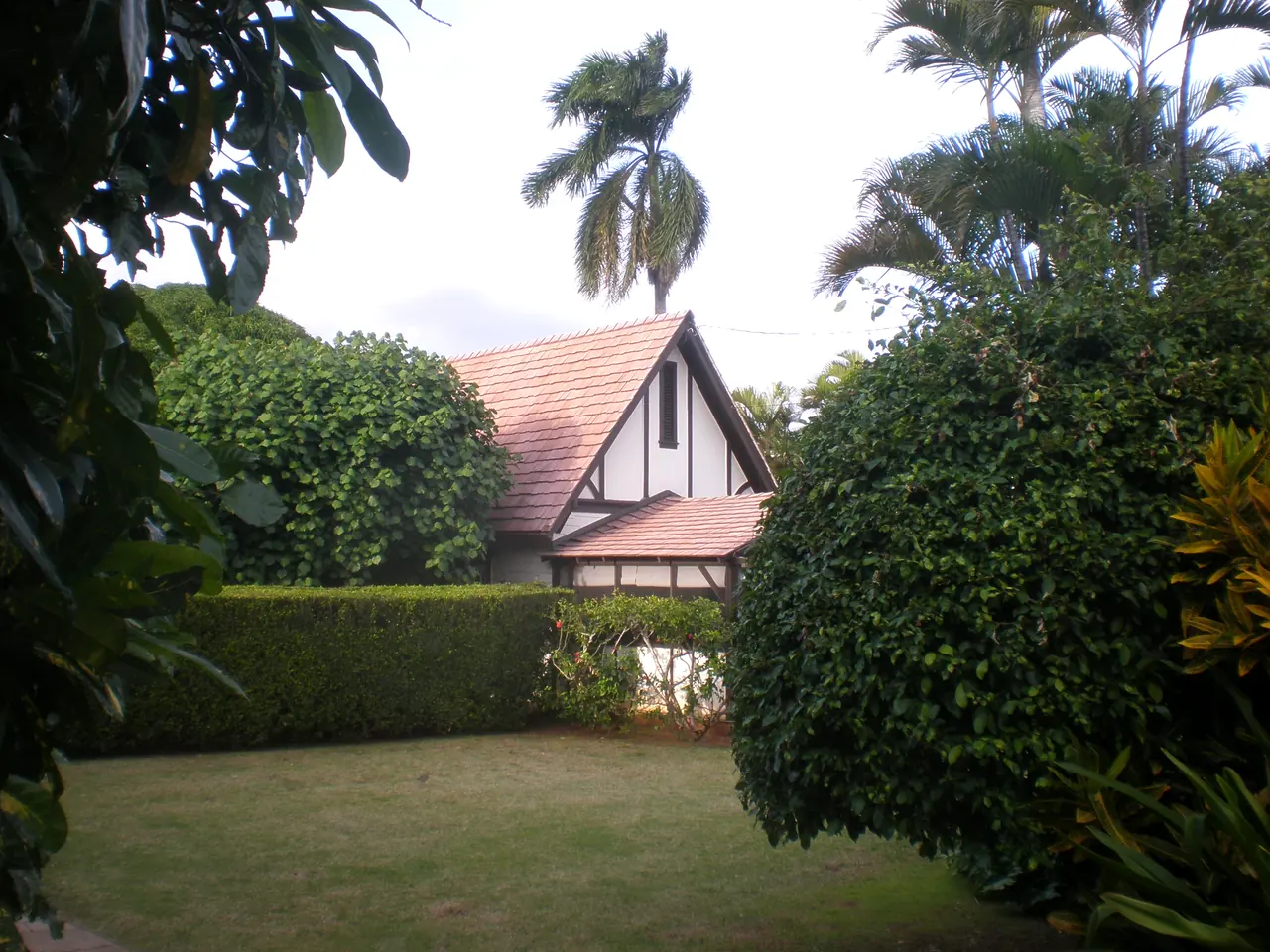
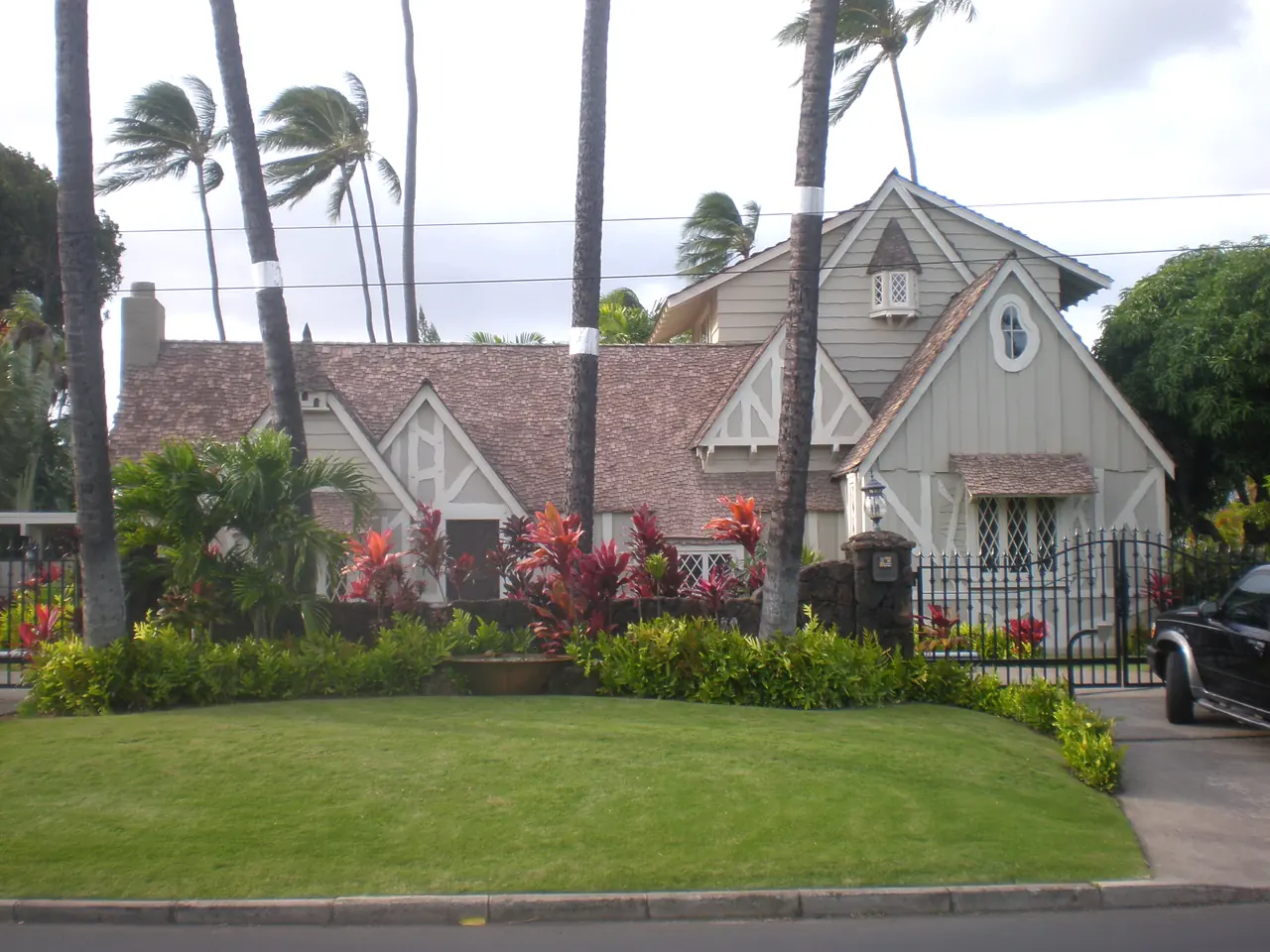
Most of what you see along the avenue is barely a century old. The names are much older.
Black Point and Shangri La
At the western end of the shoreline, on Black Point, the heiress Doris Duke built Shangri La between 1936 and 1938 with the architect Marion Sims Wyeth, filling it over the following decades with art from across the Islamic world. Since 2002 it has operated as the Shangri La Museum of Islamic Art, Culture & Design. Visits are by reserved tour only; see how to visit.
A golf course and a January tournament
Inland, Waiʻalae Country Club was founded in 1927 on a course designed by Seth Raynor. It is a private club, but for one week every January it is on television around the world as the host of the Sony Open in Hawaii, a PGA Tour event that began in 1965 as the Hawaiian Open.
Kāhala today
Today Kāhala is a mostly residential neighborhood of single-family homes, with an older population and high rates of home ownership compared with Oʻahu overall. Our at-a-glance profile has the Census figures. The beach itself is public, reached by beach access paths and parks described in our beaches and parks guide.
Questions readers ask
What does Kāhala mean?
Kāhala is the Hawaiian name for the amberjack or yellowtail fish (Seriola dumerilii). Place Names of Hawaiʻi glosses the Honolulu place name literally as “amberjack fish.”
What does Waiʻalae mean?
Waiʻalae is usually translated as “mudhen water,” from wai (fresh water) and ʻalae (the Hawaiian gallinule or mudhen).
Was Kāhala leasehold land?
Much of residential Kāhala was developed on land leased from the Bishop Estate, now Kamehameha Schools. After Hawaiʻi’s Land Reform Act of 1967, upheld in Hawaii Housing Authority v. Midkiff (1984), many lots converted to fee simple. Always confirm tenure for a specific address.
Are there historic homes in Kāhala?
Yes. The Charles A. Simpson House (4354 Kāhala Avenue), J. Alvin Shadinger House (4584) and Bartlett Cooper House (4850) are on the National Register of Historic Places. They are private homes.
Spotted an error or have something to add? Write to jpg@jpghawaii.com. We correct mistakes openly.